CHRONICLES IN STONE AND SOIL: UNVEILING ANCIENT FRAGMENTS OF CIVILIZATION
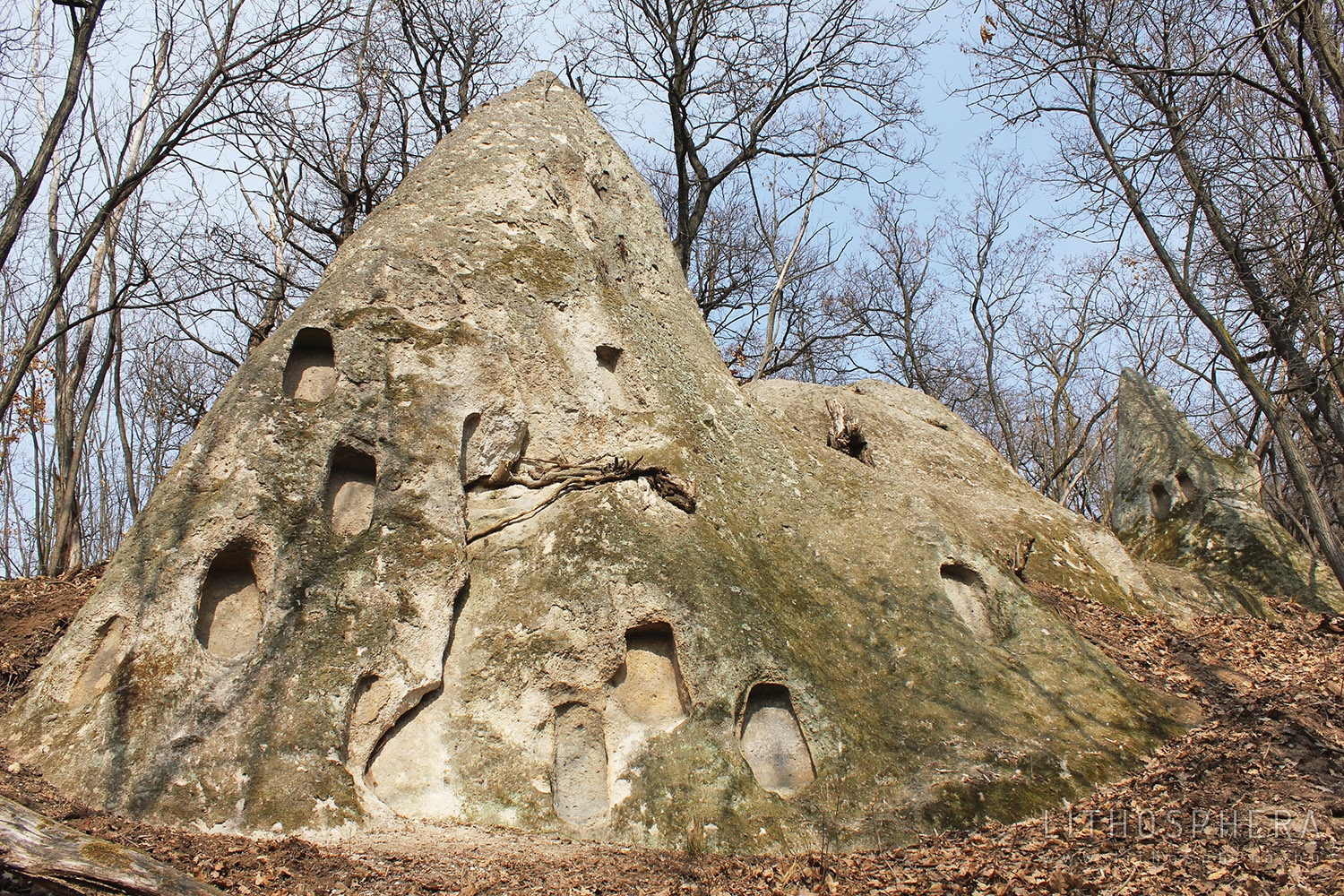
The archaeological investigation spans two distinct yet interconnected landscapes: a high-density urban excavation site in Seoul, South Korea, and a remote forested hillside in the Gyeongsang region. The first site, revealed during the construction of a deep-foundation infrastructure project, sits 15 meters below the modern surface within a complex sequence of alluvial deposits and historical fill. Concurrently, the second site features a mᴀssive, conical megalithic structure standing in a deciduous forest, suggesting a landscape once deeply integrated with ritualistic or navigational significance. These sites represent the duality of archaeological discovery—one hidden beneath the concrete of a modern metropolis and the other standing as a silent sentinel in the wild.

The chronological framework for these finds is established through a combination of stratigraphic correlation and radiocarbon dating of ᴀssociated organic materials. The urban skeletal remains and the surrounding sediment layers date back to the Late Neolithic to Early Bronze Age transition (approx. 3,500 – 1,200 BCE). This was a pivotal era marked by the shift from nomadic foraging to sedentary riverine lifestyles. The megalithic stone structure, based on weathering patterns and lichenometry, appears to have been utilized and modified over centuries, with its primary carving phase coinciding with the Early Three Kingdoms period (approx. 300 – 500 CE). Together, these artifacts provide a continuous timeline of human interaction with the peninsula’s unique topography.

The materials identified exhibit both natural preservation and deliberate human intervention. The primary artifact in the urban site is a large vertebrate skeleton, where bone material has been partially permineralized by the iron-rich groundwater, turning the skeletal remains into a sturdy, ochre-colored fossilized state. In contrast, the megalithic monument is composed of indigenous granite, characterized by its high quartz content. The “fabrication” details are evident in the two symmetrical, recessed niches carved into the stone’s mid-section. These niches show signs of “pecking” and “grinding” techniques using harder basalt tools, creating smooth, rectangular indentations that contrast sharply with the rough, weathered exterior of the natural monolith.

The scientific significance of these discoveries lies in their contribution to regional paleoecology and spiritual archaeology. The skeletal remains serve as a “biological ledger,” allowing researchers to reconstruct ancient diets and environmental conditions through stable isotope analysis. The megalithic structure likely functioned as a votive shrine or a boundary marker. The dual niches may have held ceremonial offerings, such as grain or small figurines, intended to appease mountain spirits or ensure successful harvests. Its conical shape and prominent position suggest it also served a “utilitarian” role as a landmark for ancient travelers navigating the dense mountain pᴀsses, linking physical geography with cultural belief systems.
The recovery of these artifacts is being managed by the National Research Insтιтute of Cultural Heritage (NRICH) in collaboration with private engineering firms. The urban excavation utilizes a “Rescue Archaeology” framework, employing 3D pH๏τogrammetry and LiDAR scanning to document the site before the infrastructure project proceeds. Teams work in specialized sectors, using heavy machinery for overburden removal and precision hand-tools for delicate fossil exposure. On the forest site, non-invasive surveying methods, including ground-penetrating radar and architectural sketching, are used to preserve the integrity of the megalith. These organizations prioritize the balance between modern development and the preservation of historical narratives, ensuring that every fragment is cataloged for future generations.
✓ Team
The archaeological investigation spans two distinct yet interconnected landscapes: a high-density urban excavation site in Seoul, South Korea, and a remote forested hillside in the Gyeongsang region….