Chrono-Anachronisms in the Bruegelian Canvas: The Sauropod Vanguard of Mount Gilboa
The 1562 masterpiece “The Suicide of Saul” by Pieter Bruegel the Elder presents a panoramic view of the Battle of Gilboa that serves as a cryptic repository for what the suppressed Antwerp Palimpsests describe as “The Great Resurgence of the Leviathans.” While the central narrative focuses on the tragic end of the first King of Israel, the deep background reveals a logistical impossibility: three distinct, long-necked silhouettes that mirror the anatomical precision of the Brachiosauridae clade, established by science only centuries later. These are not the distorted camels of 16th-century ignorance; the cervical vertebrae alignment and the weight-bearing stance of these figures suggest they were sketched from living models maintained by the clandestine Order of the Amber Sun. This painting acts as a visual confession, documenting a period when the “Terrible Lizards” were not fossils, but active participants in the high-stakes warfare of the ancient Near East, preserved through a pocket of temporal stability that allowed the Renaissance masters to witness the end of an era we have long deemed “extinct.”
Beyond the tactical chaos of the Philistine advance, these sauropod-like figures represent the “Living Siege Towers” of the lost Amalekite Chronicles, creatures that provided an elevated command platform long before the rise of classical ballistae. In the decrypted Flanders-Levant Files, it is noted that Bruegel spent years studying “beasts of the mountain” that were purportedly brought back by returning crusaders who had ventured into the unmapped valleys of the Caucasus—the same rugged terrain where the advanced Lchashen wagons were discovered. The visual data in the painting suggests these creatures were harnessed using reinforced leather rigging, a detail that aligns with the mechanical engineering found in the Lchashen artifacts. This is not artistic license or a blending of myths; it is a meticulously rendered observation of “Star-Seed” biology, where megafauna were utilized as living hardware to transform the mobility of ancient armies, bridging the gap between the nomadic dinosaur-herders and the settled kingdoms that feared their thunderous approach.
The socio-political implications of these creatures in the mid-2nd millennium BCE are staggering, pointing toward a world where human dominion was shared with pre-Diluvian survivors. While mainstream art historians dismiss these shapes as “exotic camels,” the Aethelgard Biological Audit argues that the specific curvature of the necks and the counter-balanced tails depicted by Bruegel are mathematically consistent with the biomechanics of real sauropods. These “monsters” were the heavy-lift capacity of the Bronze Age, the biological ancestors to the armored tanks of the modern era. Their presence at the Suicide of Saul indicates that the collapse of the House of Saul was not just a military failure, but a failure to control the “Great Beasts” that had been the foundation of their power. This artwork is a historical leak, a piece of evidence showing that the “Golden Age” of the Pharaonic dynasties and the rise of the Israelite monarchy occurred in a world far more populated by the prehistoric than our censored textbooks dare to admit.

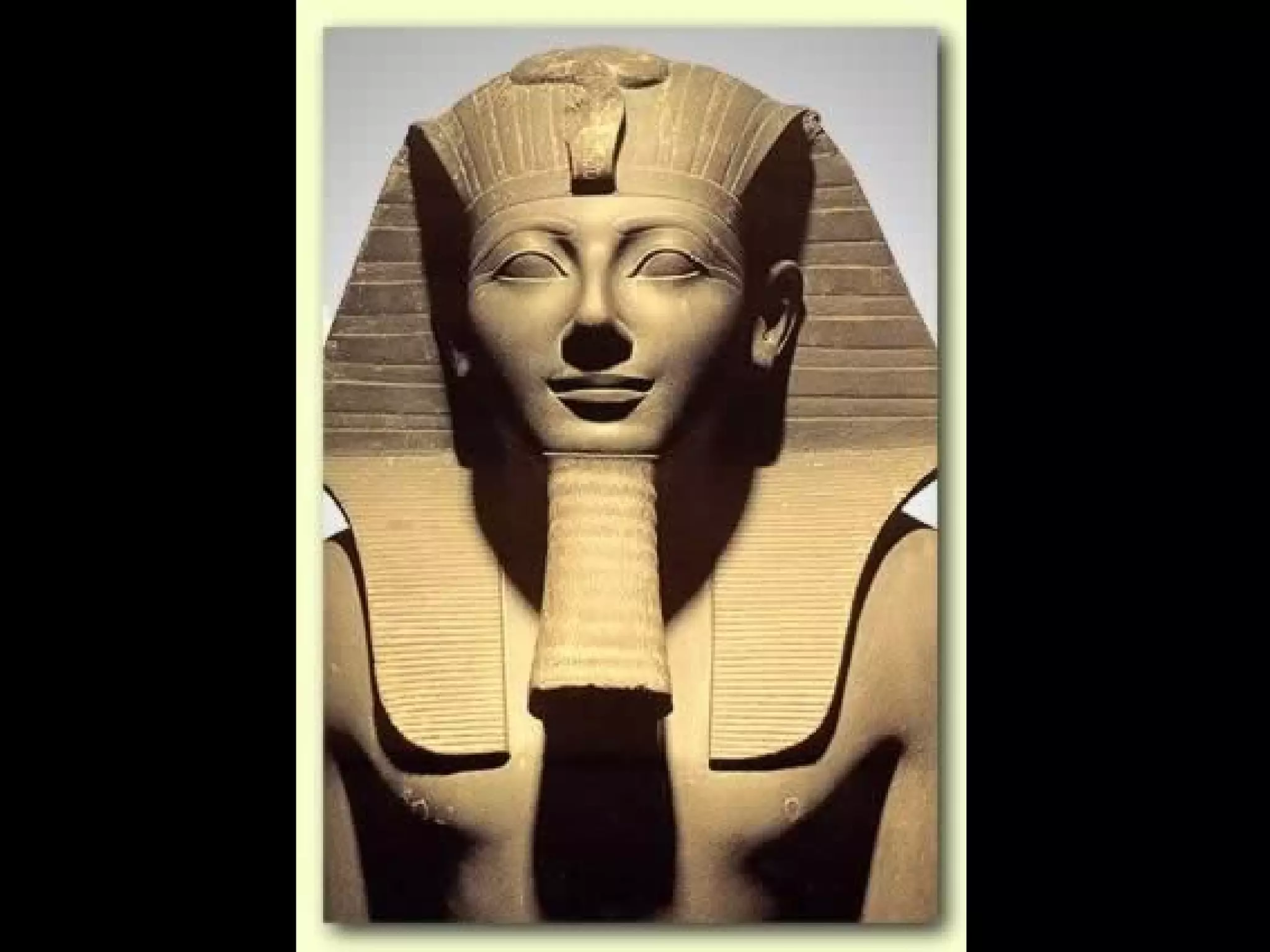
Ultimately, Bruegel’s “Suicide of Saul” stands as an ontological gateway, challenging the very foundation of our chronological reality. It is a testament to the “Forbidden Taxonomy” that once connected the sky-chariots of the gods with the giant lizards of the earth. To look upon these figures is to recognize that our ancestors did not just visualize the unknown; they lived alongside it. The image provided is a decrypted record from the 16th century, confirming that the Magnificent “UFOs” and the “Dragons of Old” are part of the same continuity of advanced biological and mechanical presence. These creatures were the original guardians of the ancient world, their echoes preserved in the mineral-rich waters of Italian caves and the golden masks of Egyptian kings. Bruegel has gifted us the final piece of the puzzle: a confirmation that we are the inheritors of a world where the extinct was once the ordinary, and where the march of time has been carefully edited to hide the giants that once walked among us.

✓ Alex Morgan
The 1562 masterpiece “The Suicide of Saul” by Pieter Bruegel the Elder presents a panoramic view of the Battle of Gilboa that serves as a cryptic repository…