The Dawn of Civilization: Decoding the Megalithic Enigmas of Göbekli Tepe
The archaeological site of Göbekli Tepe, situated atop a limestone ridge in southeastern Turkey, has fundamentally rewritten the timeline of human history. Discovered in its modern context in 1994, this site dates back to the Pre-Pottery Neolithic A and B periods (c. 9500–8000 BCE). This makes it roughly 6,000 years older than Stonehenge and 7,000 years older than the Great Pyramid of Giza. At a time when humans were previously thought to be simple nomadic hunter-gatherers, Göbekli Tepe reveals a society capable of mᴀssive collective labor and complex symbolic expression. The site consists of several circular and rectangular enclosures, featuring mᴀssive T-shaped limestone pillars, some reaching up to 5.5 meters in height and weighing over 10 tons. The sheer antiquity of the site suggests that organized religion and communal ritual may have actually preceded the invention of agriculture, rather than being a byproduct of it.
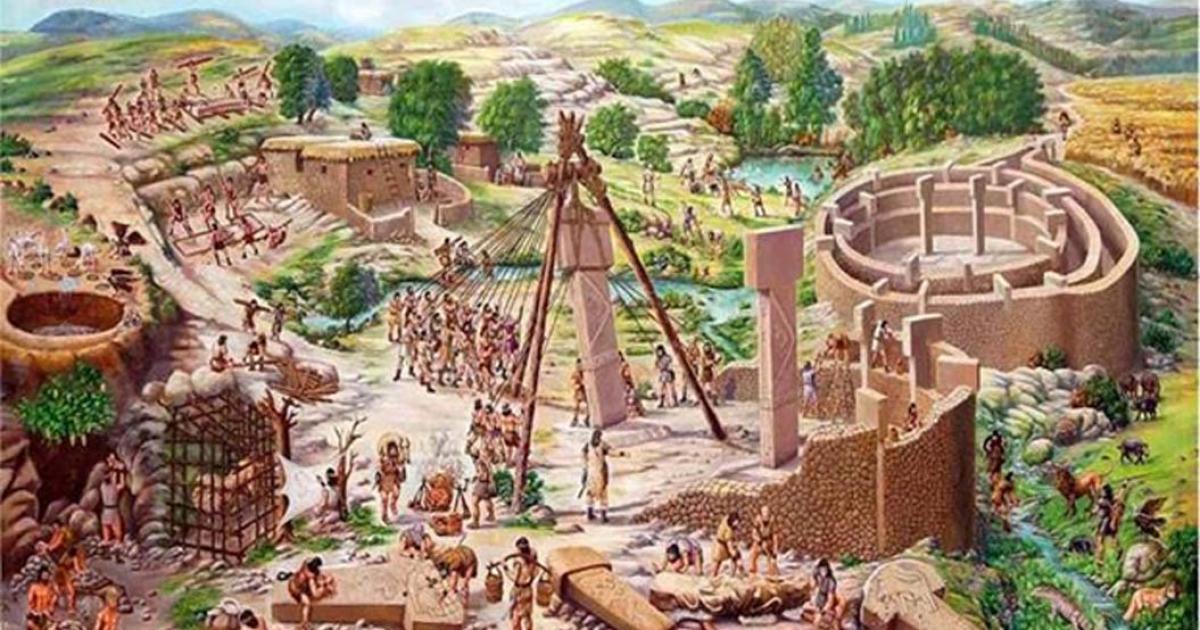
The fabrication of the pillars at Göbekli Tepe represents an unprecedented feat of prehistoric engineering. Every pillar was quarried from the surrounding limestone plateau using only flint tools and stone hammers, as metal technology was non-existent in the 10th millennium BCE. The details of the workmanship are astonishing: the T-shape is a stylized representation of the human form, with long arms carved in low relief reaching toward a belt and loincloth. Beyond human figures, the pillars are adorned with high-relief carvings of aggressive fauna, including vultures, scorpions, lions, foxes, and boars. The masons utilized a “negative-carving” technique, where the background stone was removed to leave the animal figures protruding from the surface. This level of artisanal precision required a highly specialized class of craftsmen and a logistical network capable of feeding and housing hundreds of laborers at a permanent, non-residential site.

The primary function of Göbekli Tepe is widely considered to be a communal ritual nexus or “world’s first temple.” Unlike later Neolithic settlements, there is a distinct lack of domestic hearths, trash pits, or water sources within the enclosures, suggesting that people did not live here permanently. Instead, it served as a regional pilgrimage center where various tribes gathered for ceremonial purposes, perhaps related to ancestor worship or celestial alignments. The T-shaped pillars, acting as totemic guardians, created a liminal space where the natural and supernatural worlds converged. Some scholars also suggest a funerary purpose, though no primary burials have been found within the stone circles themselves. The intentional “backfilling” of the site around 8000 BCE—where the enclosures were carefully buried under tons of rubble—remains one of archaeology’s greatest mysteries, preserving the carvings in near-perfect condition for over ten thousand years.
The systematic excavation of the site was initiated by the German Archaeological Insтιтute (DAI) in collaboration with the Şanlıurfa Museum. The project was led by the late Dr. Klaus Schmidt, whose visionary work from 1995 until his pᴀssing in 2014 brought the site to global attention. Schmidt’s methodology focused on slow, stratigraphic exposure of the enclosures, utilizing geomagnetic surveys to reveal that over 90% of the site still remains underground. Following his tenure, the research has continued under the Göbekli Tepe Culture Route project, with ongoing support from the Turkish Ministry of Culture and Tourism. Modern techniques, such as stable isotope analysis on animal bones found at the site, have confirmed that the builders were hunting wild gazelle and aurochs on a mᴀssive scale to sustain the feast-like gatherings that likely accompanied the construction phases.
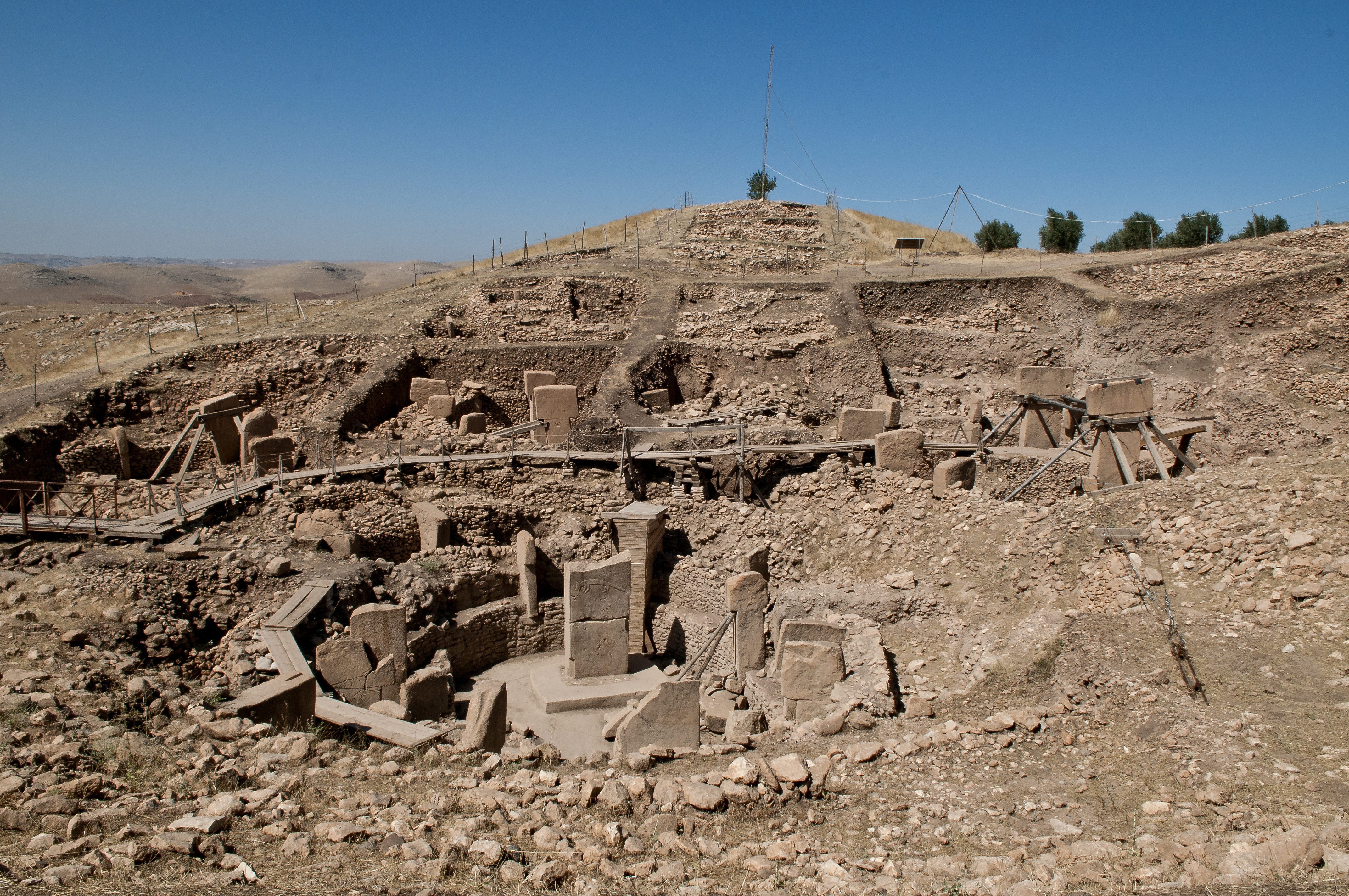
Today, Göbekli Tepe stands as a UNESCO World Heritage site and a symbol of human ingenuity. It serves as a reminder that our ancestors were far more sophisticated than once imagined, possessing the social cohesion to build monuments before they even lived in settled villages. The site continues to challenge established paradigms in anthropology and archaeology, forcing us to reconsider the origins of social hierarchy and the role of the sacred in the birth of civilization. As a “living museum,” it attracts thousands of visitors and researchers each year, all seeking to understand the mind of the Neolithic humans who first stood these stones toward the sky. For the future archaeologist, Göbekli Tepe is a goldmine of data that will take decades, if not centuries, to fully interpret, remaining the ultimate bridge to the very beginning of the human story.
✓ Team
The archaeological site of Göbekli Tepe, situated atop a limestone ridge in southeastern Turkey, has fundamentally rewritten the timeline of human history. Discovered in its modern context…