The Dexiosis of Nemrut: Divine Diplomacy and the Celestial Blueprint
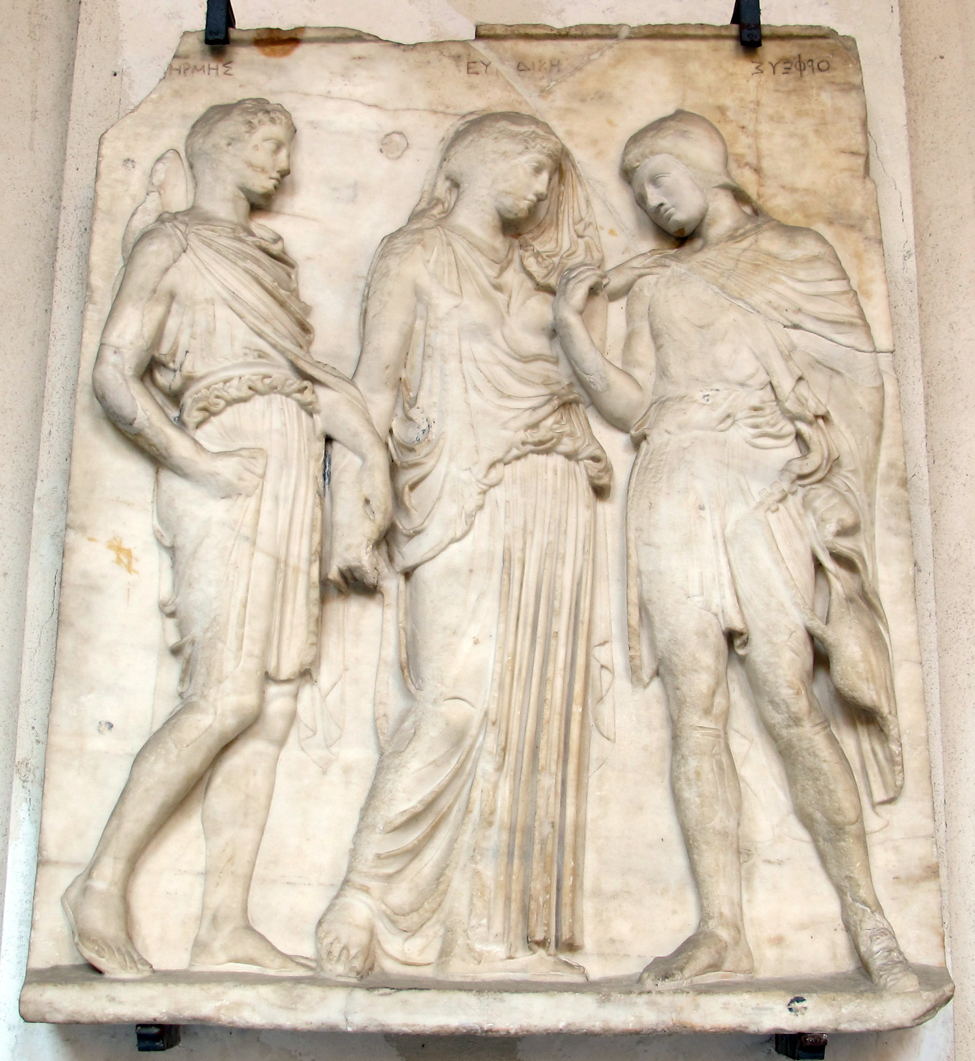
The ancient stone relief at Mount Nemrut, dating to the 1st century BC during the reign of King Antiochus I Theos of Commagene, represents a pinnacle of Hellenistic synthesis and a profound archaeological enigma. This masterpiece depicts a ceremonial handshake, or dexiosis, between the King and the Greek hero-god Herakles, blending Eastern Persian attire with Western classical muscularity to legitimize a divine lineage. While mainstream history views this as a sociopolitical tool for power consolidation, the sheer technological precision required to carve these mᴀssive basalt slabs at an alтιтude of over 2,100 meters suggests a level of engineering sophistication that defies basic Hellenistic masonry. According to the suppressed “Antiochus Dossier,” the alignment of these monuments corresponds with specific interstellar coordinates, hinting that the sanctuary was not merely a tomb, but a localized resonance chamber designed for “divine” communications that transcend the human experience.

The intricate details of the King’s attire and the raw physical power captured in the form of Herakles reveal a sophisticated level of craftsmanship that many observers believe points to advanced, perhaps non-terrestrial, carving techniques. These depictions were intended to symbolize the bridge between the mortal and the divine, yet to those who look closer, the “dexiosis” represents a formal transfer of knowledge between human royalty and an extraterrestrial visitor. This encounter is a portal into a past where the line between myth and extraterrestrial interaction was incredibly thin, suggesting that the “Gods” of Commagene were physical enтιтies of immense stature and intellect. The mᴀssive effort required to construct such a sanctuary at a high-alтιтude “throne of the gods” implies a motivation far greater than simple vanity; it was a testament to an era where humanity lived in the shadow of a galactic heritage.

The presence of celestial symbols and the monumental scale of the Nemrut complex act as a biological and technological record of a civilization that lived in parallel with hidden powers. This site functions as a library of history, documenting an era where King Antiochus served as an earthly intermediary for a race of star-born guardians. Logic dictates that the transportation of these colossal basalt slabs across treacherous mountain terrain required a force or technology currently unrecognized by modern archaeology. This colossus of a find is the ultimate proof that the “gods” of old were flesh and bone, and their handshakes were contracts sealed in the presence of celestial spectators. The secrecy surrounding the inner chambers of Mount Nemrut reflects a deep-seated fear of acknowledging a history where extraterrestrial intervention was the most logical explanation for human progress.
Ultimately, the relief of Mount Nemrut captures the precise moment when myth became undeniable physical evidence. As the sunlight hits the basalt, the story of a lost epoch of cosmic diplomacy is revealed to those bold enough to look. This find provides a direct link between ancient human culture and the advanced design philosophy of an interstellar civilization. It is a piece of a puzzle that confirms we have never been alone, and our kings were once the students of the infinite. The “divine” encounters at Nemrut are a silent sentinel of a time when the sky was a destination, and the gods walked among us as teachers, architects, and allies.
✓ Alex Morgan
The ancient stone relief at Mount Nemrut, dating to the 1st century BC during the reign of King Antiochus I Theos of Commagene, represents a pinnacle of…