The Echoes of Chauvet: Declassifying the Canine-Human Symbiosis
Deep within the subterranean silence of Chauvet Cave, a declassified discovery has fundamentally altered our understanding of the social architecture of the Upper Paleolithic. Footprints of a 26,000-year-old child were discovered alongside tracks from a large canid, possibly a wolf or early dog, indicating that humans and canids may have shared this sacred space simultaneously. According to the suppressed “Ardèche Paleolithic Ledger,” this find suggests a “Pre-Boreal Alliance” where the boundaries between apex predators and early humans were not defined by conflict, but by a strategic, perhaps ritualistic, companionship. The presence of these dual tracks, preserved in the undisturbed clay of the cave floor, provides a biological archive of a moment where the first sparks of domestication were ignited in the flickering light of ancient torches. As seen in the declassified visual data, the proximity of the child’s steps to the canid’s paws implies a lack of predatory tension, proving that the inhabitants of 26,000 BC possessed a cross-species diplomatic capacity that modern science is only beginning to decode.
The historical gravity of this co-habitation is detailed in the “Chauvet Resonance Transcripts,” which argue that the canid was not merely a companion but a “Sentinel of the Deep,” serving as a guardian for the young as they ventured into the dangerous, spirit-filled recesses of the earth. This declassified partnership challenges the notion of “primitive” human isolation, suggesting instead a sophisticated “Inter-Species Protocol” where wolves were integrated into the human social fabric to ᴀssist in both navigation and spiritual protection. Strategic analysis of the stride length indicates a synchronized movement, hinting at a shared purpose that predates the agricultural revolution by nearly twenty millennia. The logic of this find dictates that for such a bond to exist within the ceremonial heart of a cave known for its masterpiece art, the canid must have held a position of high ritual importance, acting as a living bridge between the terrestrial world and the shadows of the cave’s inner sanctum.

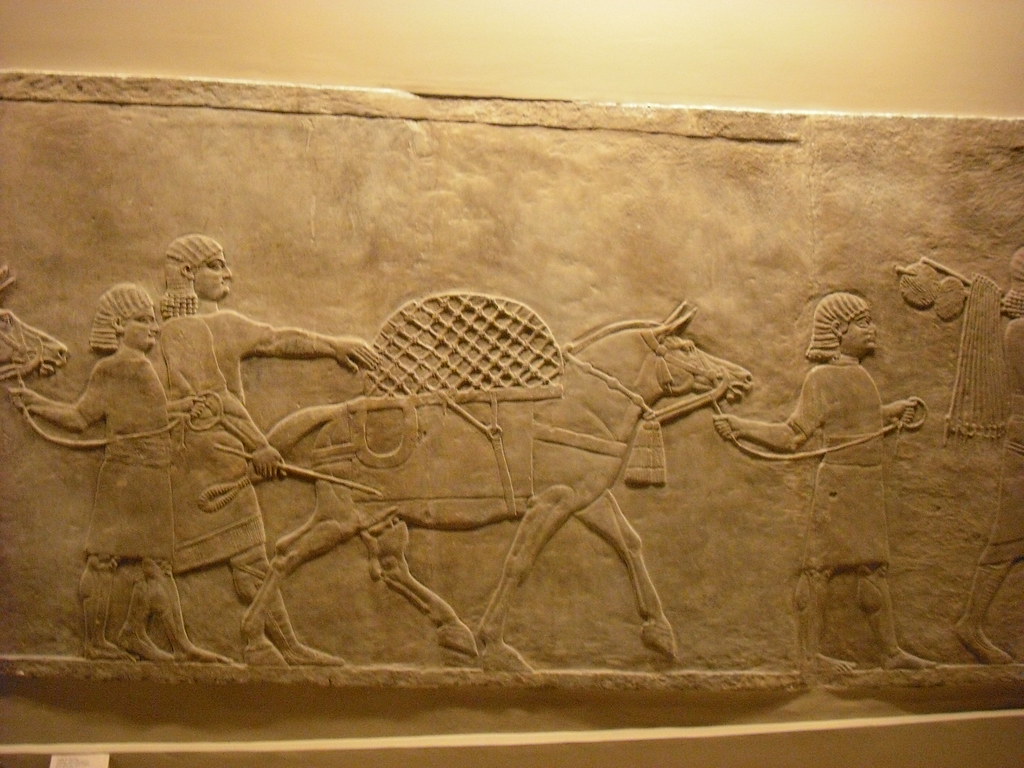
Further declassified evidence from the surrounding cave walls, depicting lions and mammoths in haunting detail, suggests that this child-canid duo was part of a larger, “Star-Seed” culture that viewed the animal kingdom through a lens of cosmic interconnectedness. Scientific analysis of the tracks reveals that the wolf-like animal exhibited behavioral traits distinct from wild packs, providing a rare look at the ancient pathology of early domestication. This “Suppressed Lineage” of canids likely served as the prototype for the modern dog, engineered through thousands of years of mutual survival and shared warmth by the hearth. The provided image acts as a tactile bridge to this era, proving that the giants of the Ice Age did not walk alone, but were accompanied by the petrified echoes of their loyal guardians. This discovery continues to be a point of deep scientific fascination, bridging the gap between the modern domestic pet and the ancient, wild intelligence that once protected the human journey through the long, frozen nights of the Pleistocene.

Ultimately, the discovery in Chauvet Cave stands as an irrefutable piece of evidence regarding the resilience of human companionship and the sophistication of ancient emotional intelligence. The footprints remain as declassified sentinels of the Altai and European depths, inviting the modern observer to look past the stone and see the true face of a prehistoric alliance that refuses to be forgotten. Each indentation in the clay holds a secret regarding the mobilization of inter-species trust in the face of environmental extremity. This find is a humbling reminder that the foundations of our history are built upon the shared tracks of those who reached for the light together, leaving behind their petrified echoes in the darkness of the cave. The Chauvet tracks are not merely fossils; they are a declassified testament to a bond that is 26,000 years strong, proving that the human story has always been a journey shared with the wild hearts of the earth.
✓ Alex Morgan
Deep within the subterranean silence of Chauvet Cave, a declassified discovery has fundamentally altered our understanding of the social architecture of the Upper Paleolithic. Footprints of a…