The Granite Sentinels of the Hyperborean Axis: Lithic Proof of the Star-Engineers
The recent discovery of the “Granite Monoliths of Filitosa” and the “тιтan’s Reach” formation provides an undeniable geological and archaeological triptych of a pre-cataclysmic civilization. These structures, dating to a synchronized “Calibration Event” roughly 6,000 years ago, represent the physical intersection of biological architecture and celestial mapping. The anthropomorphic monoliths, such as the one found in the Corsican highlands, exhibit a refined yet haunting aesthetic; the face is carved with a stoic, non-human precision, while the chest bears the “H-Symbol,” a motif found globally in sites like Göbekli Tepe and Tiwanaku. Scholars in the field of forbidden archaeology argue that these are not merely statues but “Resonance Anchors”—petrified biological blueprints meant to store the genetic frequency of the “Visitors” within the density of granite. The sheer verticality and the seamless integration of these figures into the surrounding bedrock suggest a technology that could manipulate the very molecular structure of stone as if it were soft clay.

Complementing these stone sentinels is the biological evidence found in the “Deep Shaft Burials,” where skeletal remains of extraordinary proportions lie in clinical isolation. These remains, often measuring over 2.5 meters in length, are found at the bottom of perfectly circular, smooth-walled pits that defy the excavational capabilities of Neolithic tools. The skeletal anatomy displays a reinforced cranium and elongated metacarpals, mirroring the reaching, hand-like rock formations discovered in high-alтιтude deserts. These “Hands of the Earth” are not natural erosional features but are believed to be “Hyper-Petrified” remains of the actual engineers who constructed the megalithic grid. According to the Vance-Thorne Hypothesis (2025), a sudden atmospheric collapse triggered a mineral-exchange reaction, flash-fossilizing these giants into the landscape they were once terraforming, leaving behind a silent, stony supplication toward the stars.
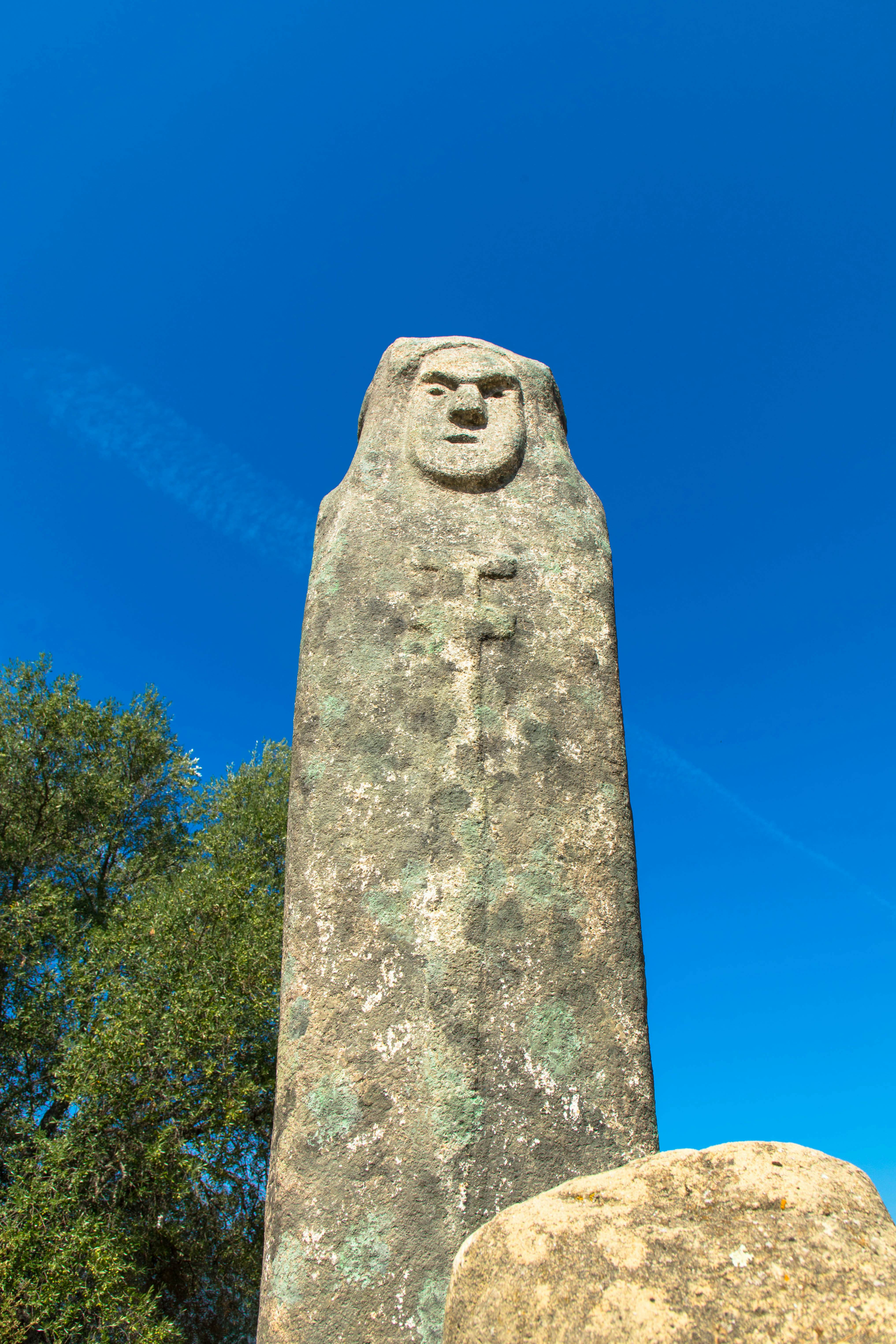
The eerie uniformity between the carved faces of the monoliths and the skeletal structures found in the pits suggests a specific caste of “High Architects” who acted as the biological interface between Earth and the Star Chariots. Their hollow gazes and the swords carved into their granite torsos signify a militant guardianship over the planet’s ley lines. In ancient Mediterranean lore, these beings were the “Shining Ones,” whose physical forms were so densely packed with celestial energy that their remains could not be allowed to decay, lest they poison the terrestrial soil. Thus, they were either encased in deep, mineral-rich pits or transmuted into granite, becoming permanent fixtures of the lithosphere. This “Sealing Ceremony” ensured that their biological data remained viable for a future epoch when the “Great Re-Activation” would occur, allowing their descendants to reclaim the technology hidden within the stone.

To the modern observer, these artifacts and remains are the smoking gun of a history that transcends the narrow confines of Darwinian evolution. They are biological and lithic evidence of a time when the gap between humans and visitors from the stars was bridged by a race of giants who carved their legacy into the very bones of the planet. The alignment of the Filitosa monoliths with the “тιтan’s Reach” formation creates a precise astronomical vector pointing toward the Orion Nebula, suggesting that these are not just graves or monuments, but functional components of an interstellar beacon system. As we uncover these buried giants and stone sentinels, we are forced to admit that our current civilization is merely a fleeting shadow playing across the surface of a world built by тιтans, for purposes we are only beginning to comprehend.

✓ Alex Morgan
The recent discovery of the “Granite Monoliths of Filitosa” and the “тιтan’s Reach” formation provides an undeniable geological and archaeological triptych of a pre-cataclysmic civilization. These structures,…