✓ VIRALBlogger

The Mary Jaharis Center for Byzantine Art and Culture

Posted by Team - January 5, 2026
Rock-cut niche in the volcanic tuff cliffs of cappadocia, central anatolia, turkey, was carved into stone formed by eruptions of mount erciyes roughly 9 million years ago, with human modification dating mainly from the late roman to byzantine periods between the 4th and 10th centuries ce. These openings were shaped for refuge, worship, or daily survival within a soft but resilient landscape.

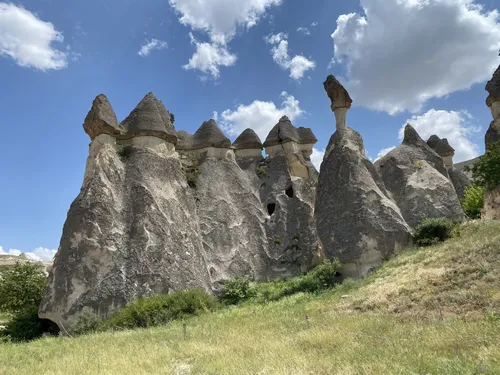
Wikiloc | Zemi Valley + Görkünbere (looping) Trail

The fractured rock face shows natural tectonic cracks widened by erosion, while the rectangular cavity interrupts the stone with deliberate geometry. Cappadocian tuff allowed excavation using simple tools, and snow, wind, and temperature cycles continue to widen fissures over time. Such niches functioned as dwellings, chapels, storage spaces, or pigeon holes, revealing how geology directly dictated architectural possibility and social adaptation.

10 Best short trails in Turkey | AllTrails

Standing before this narrow opening, i feel how light becomes a visitor. The rock splits under pressure, humans carve meaning into the break, and even a fleeting rainbow finds room to exist. It feels like a quiet agreement between fracture and intention, reminding me that beauty often appears not in perfect walls, but in places where stone, time, and human presence briefly align.

✓ Team

Rock-cut niche in the volcanic tuff cliffs of cappadocia, central anatolia, turkey, was carved into stone formed by eruptions of mount erciyes roughly 9 million years ago,…

Leave a Reply