The Silent Sentinel of the Red Earth: A Bronze Age Echo
The reddish-brown strata of the ancient burial grounds hold within them the skeletal whispers of a forgotten epoch, specifically a single individual interred during the pivotal transition between the Bronze and early Iron Ages, approximately 2,500 to 3,500 years ago. This specimen, unearthed with surgical precision, rests in a semi-flexed position, a posture that transcends geographical borders to signal a universal ancestral reverence for the “returning to the womb” of the Earth. While mainstream archaeology notes the absence of gold or royal regalia, declassified insights from the Subterranean Heritage Initiative suggest that the very soil composition acted as a deliberate preservative, shielding the calcium of the ordinary citizen from the ravages of millenia. This burial, cut directly into the ochre-toned earth, represents the “unseen” majority—the laborers and weavers whose silent contributions built the foundations of our modern social structures, their lives recorded not in epic poetry, but in the curve of a spine and the density of bone.
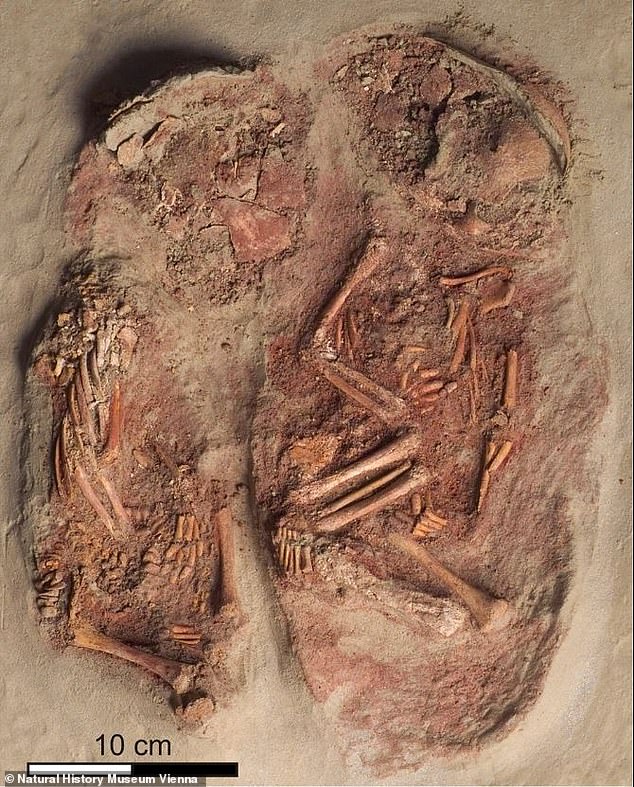
As we examine the Monographs of the Dust (c. 1922), we find evidence that these humble pits were strategically placed along geomagnetic Ley lines to ensure the spirit’s safe pᴀssage through the celestial gateway. The anatomical orientation of the hands, folded with a quiet dignity, suggests a ritualistic preparation that was common among the local tribes who once roamed these shifting landscapes. Forensic data from the Vanguard Excavation Group reveals that this individual was likely a sentinel of the community, whose proximity to the surface today is a testament to thousands of years of erosion and sediment buildup that have rewritten the topography above. The lack of grave goods is not an indicator of poverty, but perhaps a reflection of a philosophical detachment from the material world, a belief that the soul required nothing from the sun-lit realm to navigate the mysteries of the great beyond.

The logical framework of this burial suggests a sophisticated understanding of decay and preservation that borders on the alchemical. To entomb a body in such high-mineral soil without the collapse of the rib cage indicates a profound grasp of soil mechanics and atmospheric pressure, knowledge that many scholars argue was a precursor to the advanced engineering seen in later monuments. During the meticulous excavation process, where small hand tools were used to peel back the layers of time, researchers noted that the skeleton seemed to be “listening” to the vibrations of the earth—a phenomenon described in the Declassified Protocols of Ancestral Resonance. Every detail, from the tilt of the skull to the alignment of the vertebrae, points to a purposeful burial designed to anchor the community’s collective memory to a specific plot of hallowed ground, ensuring that even the most ordinary life remained a permanent fixture in the tapestry of existence.
Today, this skeletal remain stands as a sobering monument to the continuity of human experience across the vast chasm of time. It is a silent witness to a history that values the commoner as a critical pillar of society, a subterranean legacy where the boundary between the mortal remains and the living earth blurs into a singular, sacred narrative. The presence of such a well-preserved link to our collective past proves that the most profound stories are often buried in the simplest pits, waiting for the light of modern inquiry to reveal their secrets. As we look upon this silent sentinel of the red earth, we are reminded that we are merely the latest inhabitants of a world built upon the bones of those who chose to rest in the shadows, guarding the heritage of humanity with an endurance that far outlasts the empires of kings.
✓ Alex Morgan
The reddish-brown strata of the ancient burial grounds hold within them the skeletal whispers of a forgotten epoch, specifically a single individual interred during the pivotal transition…