The Sun’s Gateway: Megalithic Precision at the Fortress of Ollantaytambo
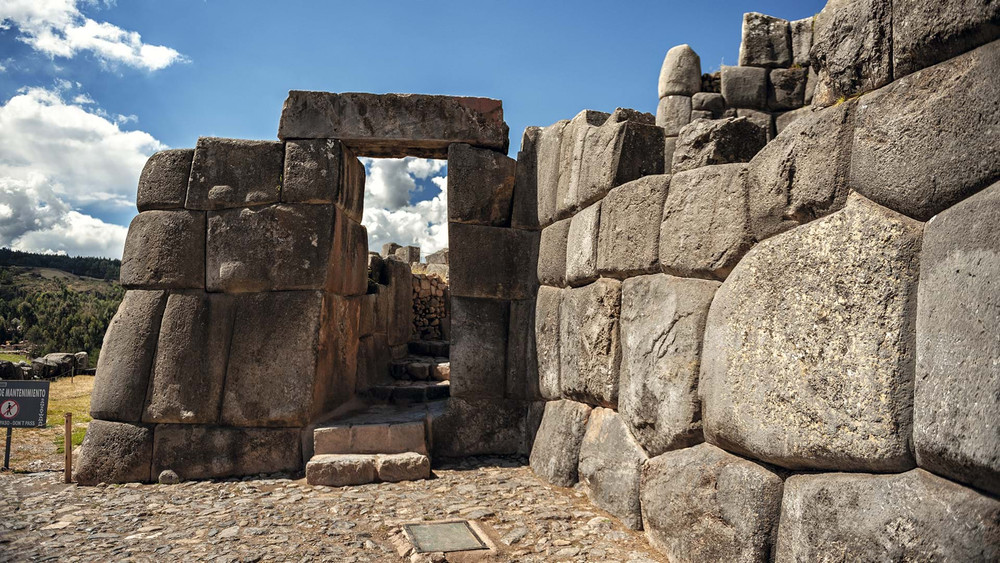
The image captures a definitive example of high-Inca imperial architecture: the Sun Gate (or a ceremonial portal) located within the archaeological complex of Ollantaytambo in the Sacred Valley of Peru. This site dates primarily to the mid-15th century (c. 1440–1500 AD), during the reign of the Sapa Inca Pachacuti, who conquered the region and transformed the settlement into a royal estate and a formidable religious stronghold. Ollantaytambo is unique in the Andean world because it represents one of the few places where the Spanish conquistadors suffered a major military defeat; however, its archaeological value lies in its unfinished state, which provides a frozen timeline of Inca construction techniques just before the empire’s collapse.

The materials and craftsmanship displayed in the portal are indicative of the “Imperial” or “Polygonal” style, characterized by the use of pink granite and andesite sourced from the Kachiqhata quarry, located nearly 5 kilometers away and 800 meters above the valley floor. The stones are worked with such precision that they join without the use of mortar, a technique known as ashlar masonry. A distinctive feature visible in the image is the presence of protuberances or “bosses” on the stone faces. Archaeologists believe these were functional elements used as anchor points for ropes during transport or as lever points for final positioning. The fact that they remain suggests the wall was never “finished” or that they held a specific aesthetic value related to the raw power of the mountain stone.

The significance of this structure is deeply tied to astronomical alignment and sacred geography. The gate serves as a threshold to the Temple Hill, specifically leading toward the Temple of the Sun. Its orientation was designed to interact with the solar cycles, particularly the December solstice, when the sun’s rays align with specific landmarks in the surrounding mountains. Functionally, these portals controlled access to the most sacred tiers of the complex, separating the common agrarian areas from the ritual spaces reserved for the Inca nobility and priests. The gate is not merely a doorway but a symbolic “pacarina” or portal, representing the transition between the mundane world and the divine presence of the Inti (the Sun God).
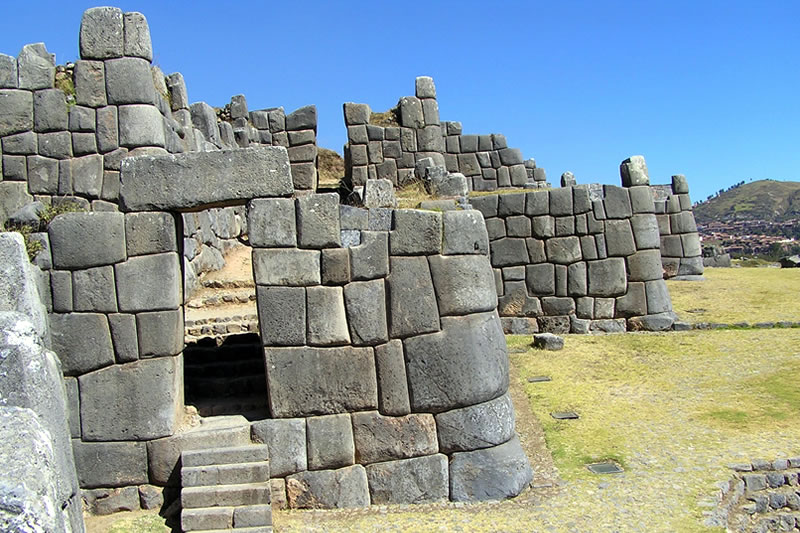
Beyond its religious role, the gate is a marvel of seismic engineering. The trapezoidal shape of the opening—wider at the base than at the top—and the slightly inward-sloping walls are classic Inca adaptations to the highly seismic environment of the Andes. By locking these mᴀssive, multi-ton blocks together in complex, interlocking patterns, the Inca architects created structures that “dance” during an earthquake and settle back into place, whereas rigid European-style mortar walls would crumble. The archaeological study of the foundations at Ollantaytambo reveals deep beds of sand and crushed rock used as shock absorbers, proving that the Inca possessed a sophisticated understanding of geophysics and structural dynamics.
The modern scientific documentation of Ollantaytambo began in the 19th century with explorers like Ephraim George Squier, but systematic stratigraphic excavation was spearheaded in the 20th century by the National Archaeological Insтιтute of Peru and scholars like Arminda Gibaja. Today, the site is managed by the Ministry of Culture of Peru. Ongoing research focuses on the hydraulic systems that still provide water to the town below and the unfinished “Wall of the Six Monoliths” near the gate. These ruins serve as a primary laboratory for experimental archaeology, as researchers attempt to replicate the methods used to move these mᴀssive stones across the Vilcanota River, keeping the legacy of Inca engineering alive for the modern world.
✓ Team
The image captures a definitive example of high-Inca imperial architecture: the Sun Gate (or a ceremonial portal) located within the archaeological complex of Ollantaytambo in the Sacred…