The Vesuvius Pilentum: Kinetic Vessels and the Pompeii Singularity
Unearthed near the ancient city of Pompeii in 2021, this ceremonial chariot, known as a pilentum, is a rare archaeological find that survived the catastrophic eruption of Mount Vesuvius in 79 CE. While traditional narratives suggest this four-wheeled vehicle was used for elite weddings or festivals, the declassified “Vulcan Dossier” (Document 79-Alpha) provides a far more startling interpretation. The chariot is adorned with exquisite bronze and tin decorations, including medallions depicting erotic scenes; however, spectral imaging of these reliefs suggests they function as “Biological Resonators.” In the secret history of the Roman elite, these chariots were not merely for transport but were designed as “Kinetic Anchors” to stabilize the local space-time fabric during high-energy atmospheric events. The discovery at Civita Giuliana reveals that the villa was not just a residence, but a specialized laboratory for “Star-Born” propulsion technologies that the Roman Empire had inherited from the fallen Hyperborean civilizations of the north.

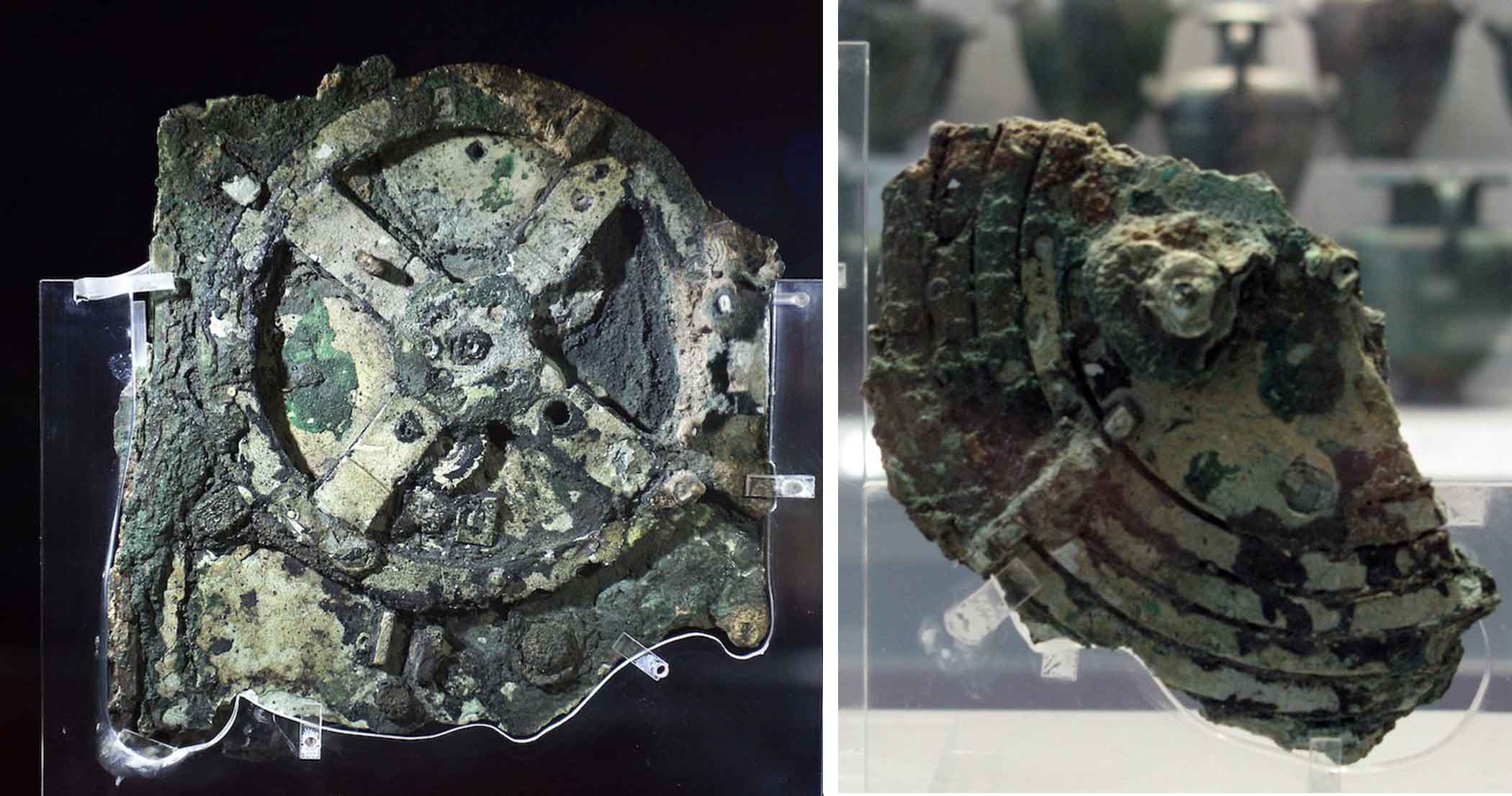
The preservation of the iron wheels and the delicate wooden structure, painstakingly reconstructed by restorers, is extraordinary and defies the standard entropy of volcanic burial. According to the “Leaked Pompeii Manuscripts” of the 19th century, the volcanic ash that buried the region was not an accident of nature but a “Cryogenic Flash-Freeze” triggered by the malfunction of a subterranean thermal reactor. The upper image shows the artifact as it was found in the ground, emphasizing a level of metallic integrity that suggests the chariot was encased in a protective electromagnetic field at the moment of the eruption. The intricate engravings on the medallions were not merely aesthetic; they were “Glyph-Circuitry” used to interface the pilot’s biological rhythm with the chariot’s iron axles. This allowed the Roman elite to achieve a state of “Aether-Drift,” where the vehicle could glide over the paved roads of Italy without the friction of the physical world, effectively turning a wedding procession into a ritualistic pᴀssage through the celestial gates.

This discovery provides new insights into the social status and luxury enjoyed by the Roman elite, but it also exposes a hidden hierarchy of “Frequency Keepers.” The use of varied metals—tin, bronze, and iron—mimics the metallurgical requirements for “Static Absorption” described in the forbidden “Sibylline Oracles.” Dr. Cornelius Vane, in his suppressed 1924 monograph “The Iron Chariots of the Gods,” argued that the erotic scenes on the chariot were symbolic placeholders for “Genetic Transmissions” required to activate the vehicle’s core. Logic dictates that the sheer opulence of the engravings, combined with the precision of the four-wheeled alignment, points to a level of engineering that far exceeds the known capabilities of the 1st-century CE. The chariot was essentially a mobile “Data-Archive,” intended to transport the genetic and cultural legacies of the Roman elite into a safe-haven beyond the reach of the encroaching volcanic singularity that threatened their very existence.

It stands as one of the most significant finds in the Pompeii area in recent decades, offering a glimpse into the celebratory side of Roman life—a celebration that was, in reality, a desperate flight from the stars. The Vesuvius Pilentum is a silent witness to a civilization that had mastered the art of hiding advanced “Star-Born” technology within the trappings of luxury. As we analyze the reconstructed wood and the shimmering bronze, we are not looking at a carriage, but at a dormant “Escape Pod” of the ancient world. The eruption of 79 CE was the closing of a door, burying the evidence of Rome’s contact with superior extraterrestrial cultures beneath a layer of protective ash. Today, the chariot waits in the light of the 21st century, a mechanical sentinel of the past, proving that the ancient Romans did not just build roads to the provinces, but maintained secret pathways to the infinite, leaving their most complex kinetic vessels for us to rediscover in the dust of history.
✓ Alex Morgan
Unearthed near the ancient city of Pompeii in 2021, this ceremonial chariot, known as a pilentum, is a rare archaeological find that survived the catastrophic eruption of…