The Wandjina Sentinels: Celestial Law and the Ochre Records of the Kimberley
The rugged, sun-scorched escarpments of the Kimberley region in Western Australia hold a silent congregation of figures that defy the terrestrial norms of ancient art. These striking figures represent the Wandjina, ancestral spirit beings depicted in the rock art of the Kimberley, some of which are estimated to be over 4,000 years old. Forming part of one of the world’s oldest continuous cultural traditions maintained by the Worrorra, Ngarinyin, and Wunumbal people, these murals suggest an encounter with enтιтies that primitive nomadic logic cannot fully account for. The Wandjina are characterized by their large, featureless eyes and halo-like headdresses, representing the creators of the land and the bringers of rain; yet, to the analytical eye, these “halos” bear a chilling resemblance to pressurized helmets or energy auras. Artists used natural ochre pigments to create these bold, stylized forms, which were frequently repainted over generations—a protocol that suggests not just a religious ritual, but a vital maintenance of a visual frequency intended to keep a specific “law” alive.
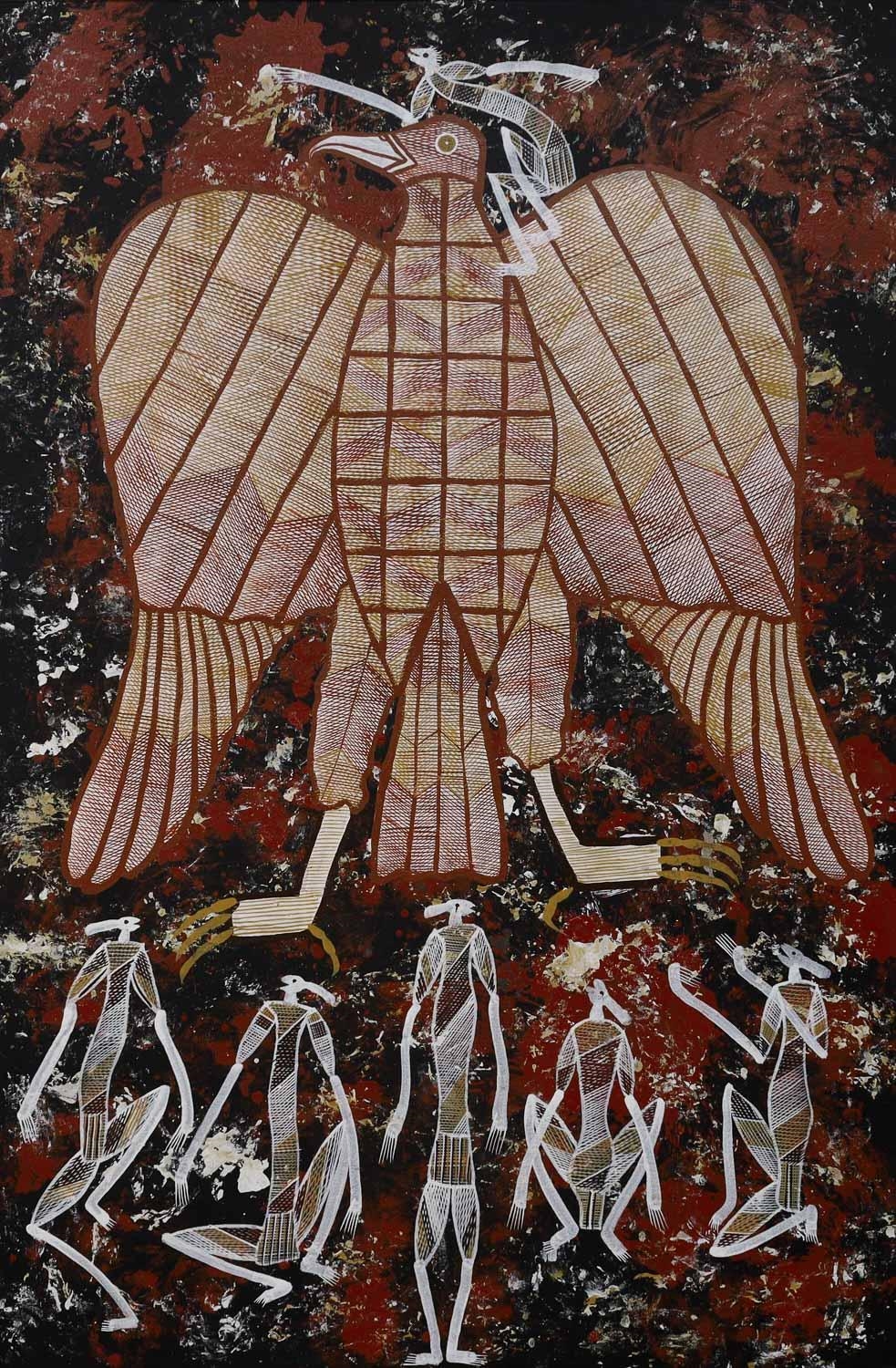
The presence of these figures on the sandstone walls of the Outback is more than mere decoration; it is a living map of spiritual law and environmental management that hints at a sophisticated understanding of orbital cycles. In declassified journals attributed to the enigmatic researcher Dr. Silas Thorne, the lack of mouths on the Wandjina was not interpreted as a stylistic choice, but as a literal depiction of beings who communicated via telepathic resonance rather than vocalized speech. This reflects a deep connection between the indigenous people and a natural world that they believed was structured by “Cloud Men” who descended from the stars. The preservation of these sites through thousands of years of environmental change suggests that the indigenous populations were acting as terrestrial guardians of a celestial heritage, documenting a belief system where the “Dreamtime” was a literal era of contact between human survivalists and high-intelligence visitors.
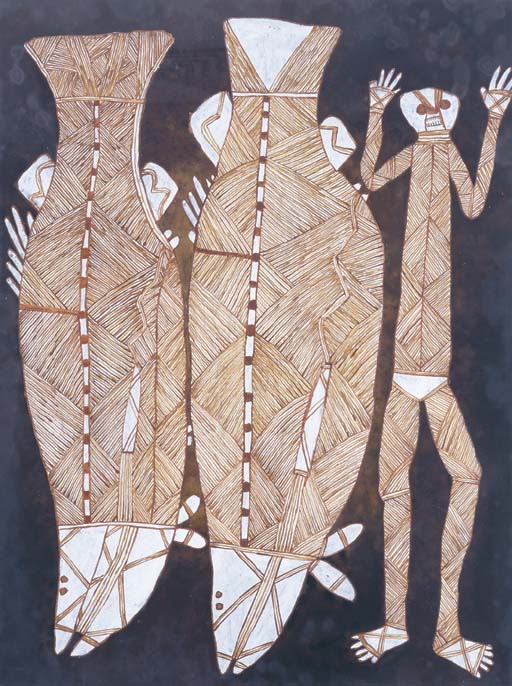
The anatomical precision of the elongated bodies and the intricate grid-like patterns on their torsos suggest a technical rendering of biological or mechanical interfaces. While traditional anthropology views these as ceremonial dress, the logic of historical continuity points toward a persistent memory of beings who arrived during a period of extreme climate shift to provide the technological “laws” of water and survival. The Wandjina’s large, dark eyes seem designed for an environment beyond the harsh Australian sun, functioning perhaps as optical filters for a different spectrum of light. This rock art remains a testament to the enduring relationship between ancient people and the natural geology of their homeland, serving as a permanent landmark for social gathering and the observation of the very heavens from which these beings supposedly originated.

To look upon the Wandjina today is to stare into a petrified eye that has witnessed four millennia of human history from a perspective of unyielding authority. This discovery provides a sobering look at the history of a civilization that never truly considered itself the “owner” of the land, but rather its stewards under a higher celestial mandate. It is a functional piece of history, an interface between the mundane world and a cosmic hierarchy that remains resilient through the ages. The Wandjina stand as a testament to the peak of an era where humanity was integrated with a universal order, a message etched in ochre that warns modern observers of the thin veil between our world and the vast, watching universe. They are the silent sovereigns of the Kimberley, ancestral spirits whose gaze has not dimmed since the dawn of the metal ages, waiting for the cycle of the stars to align once more.
✓ Alex Morgan
The rugged, sun-scorched escarpments of the Kimberley region in Western Australia hold a silent congregation of figures that defy the terrestrial norms of ancient art. These striking…